miércoles, 28 de junio de 2017

31 fotografías impactantes de cuando los españoles fuimos refugiados

1.


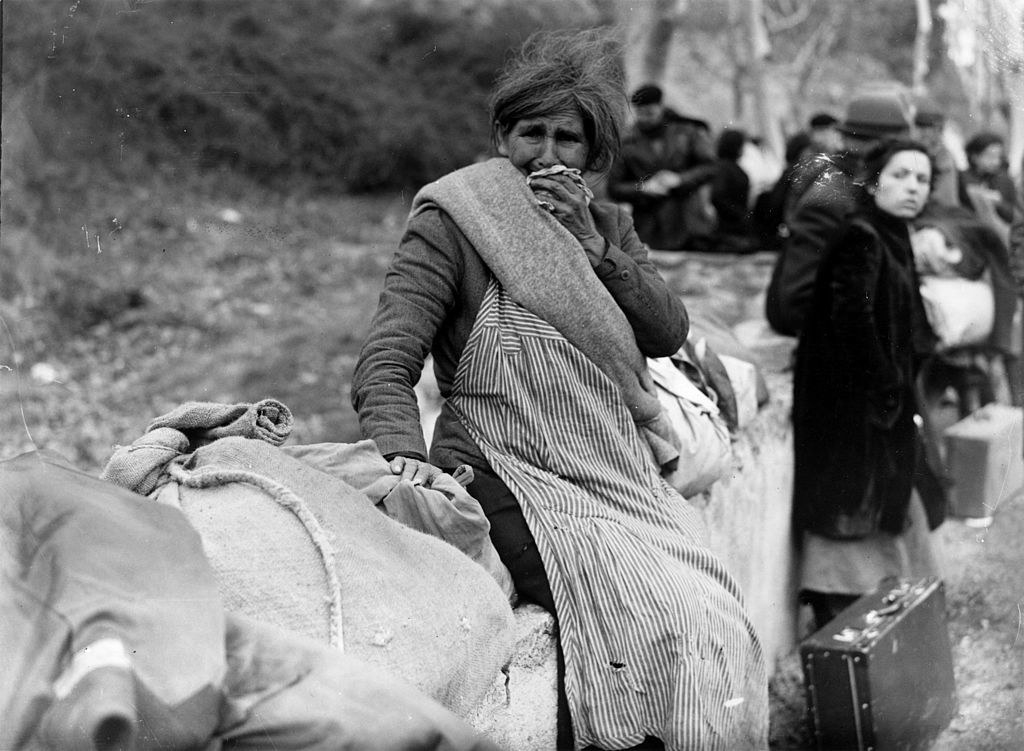
Una refugiada llora junto a sus pertenencias en El Pertús después de que las autoridades francesas abriesen la frontera tras la caída de Barcelona.
Fox Photos / Getty Images
Una refugiada llora junto a sus pertenencias en El Pertús después de que las autoridades francesas abriesen la frontera tras la caída de Barcelona.

2.
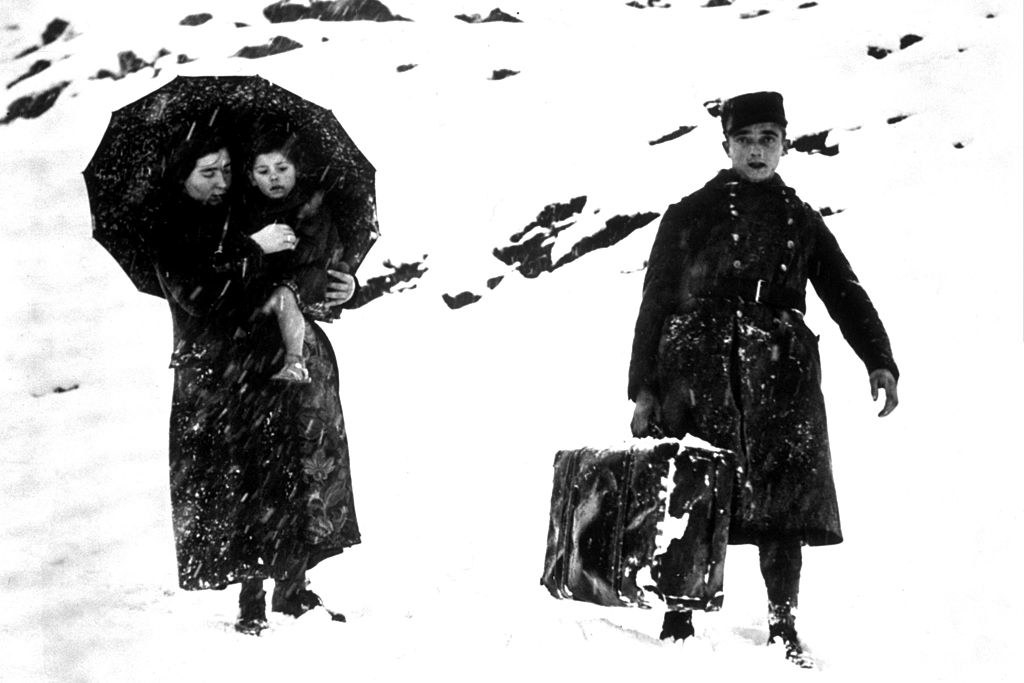

Un soldado francés lleva el equipaje de una refugiada española en un paso de montaña.
Topical Press Agency / Getty Images
Un soldado francés lleva el equipaje de una refugiada española en un paso de montaña.

3.
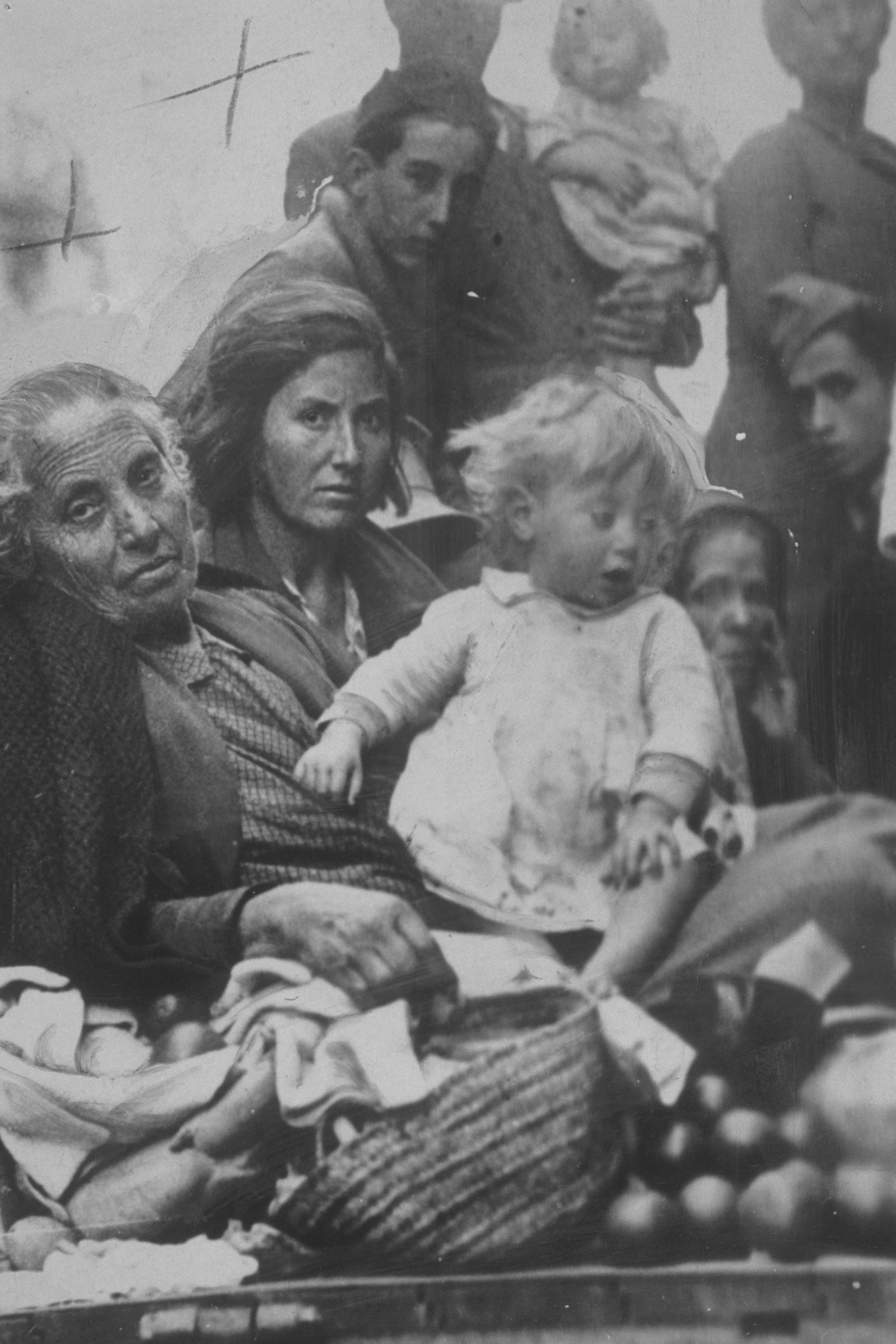

Una niña, su madre y su abuela, en Valencia.
Keystone / Getty Images
Una niña, su madre y su abuela, en Valencia.

4.
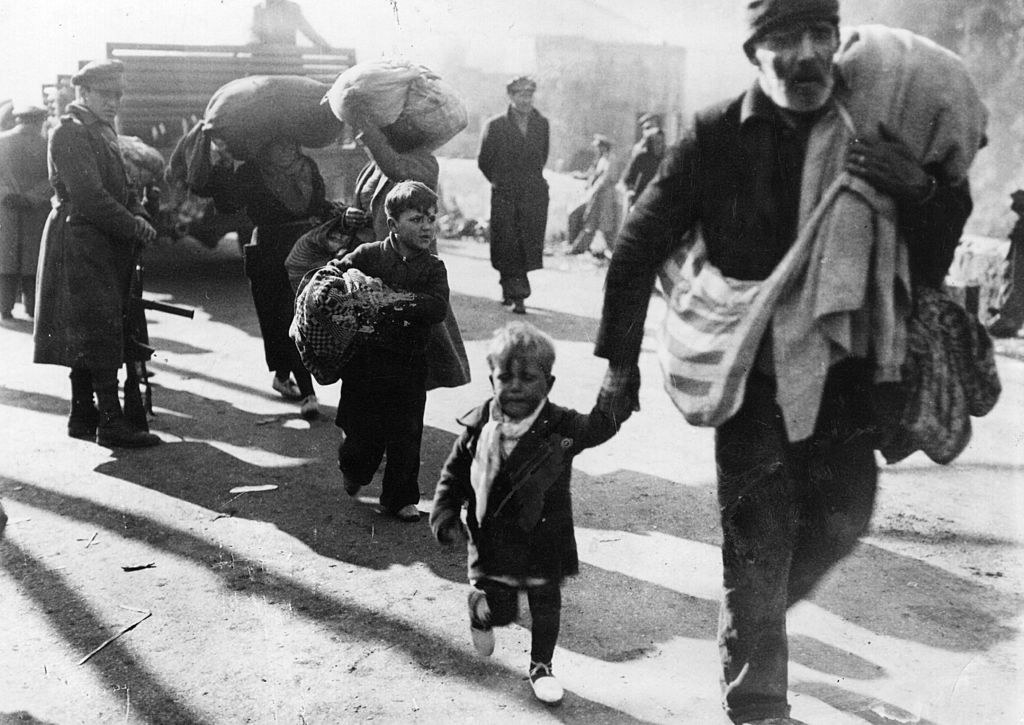

Refugiados españoles cruzan la frontera francesa en El Pertús.
Three Lions / Getty Images
Refugiados españoles cruzan la frontera francesa en El Pertús.

5.
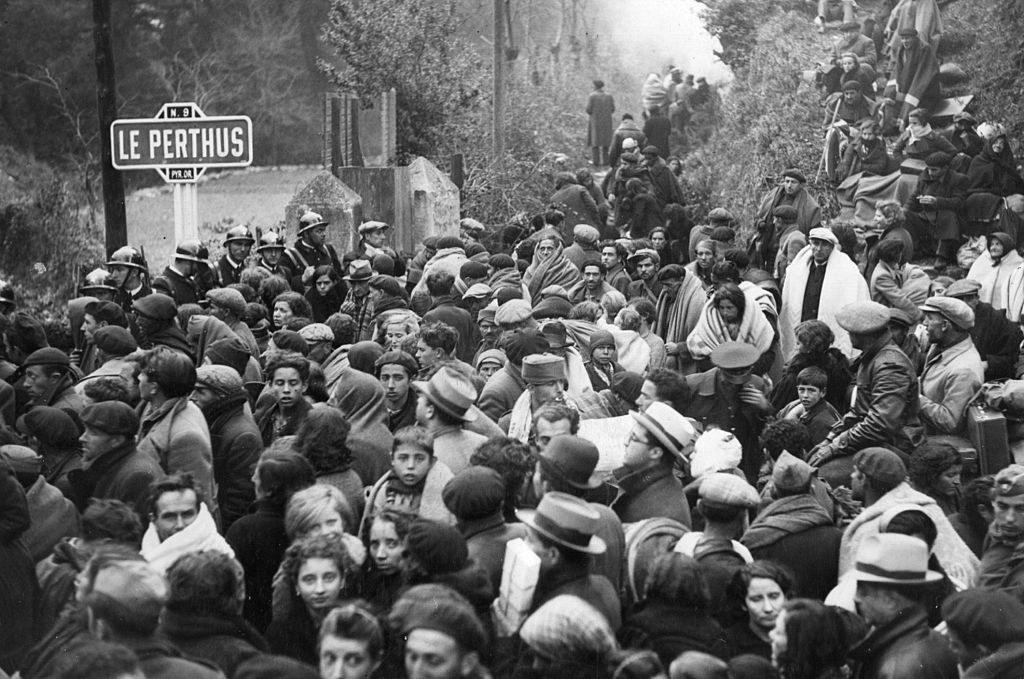

Refugiados españoles en la carretera que lleva a Perpiñán, en El Pertús.
Three Lions / Getty Images
Refugiados españoles en la carretera que lleva a Perpiñán, en El Pertús.

6.
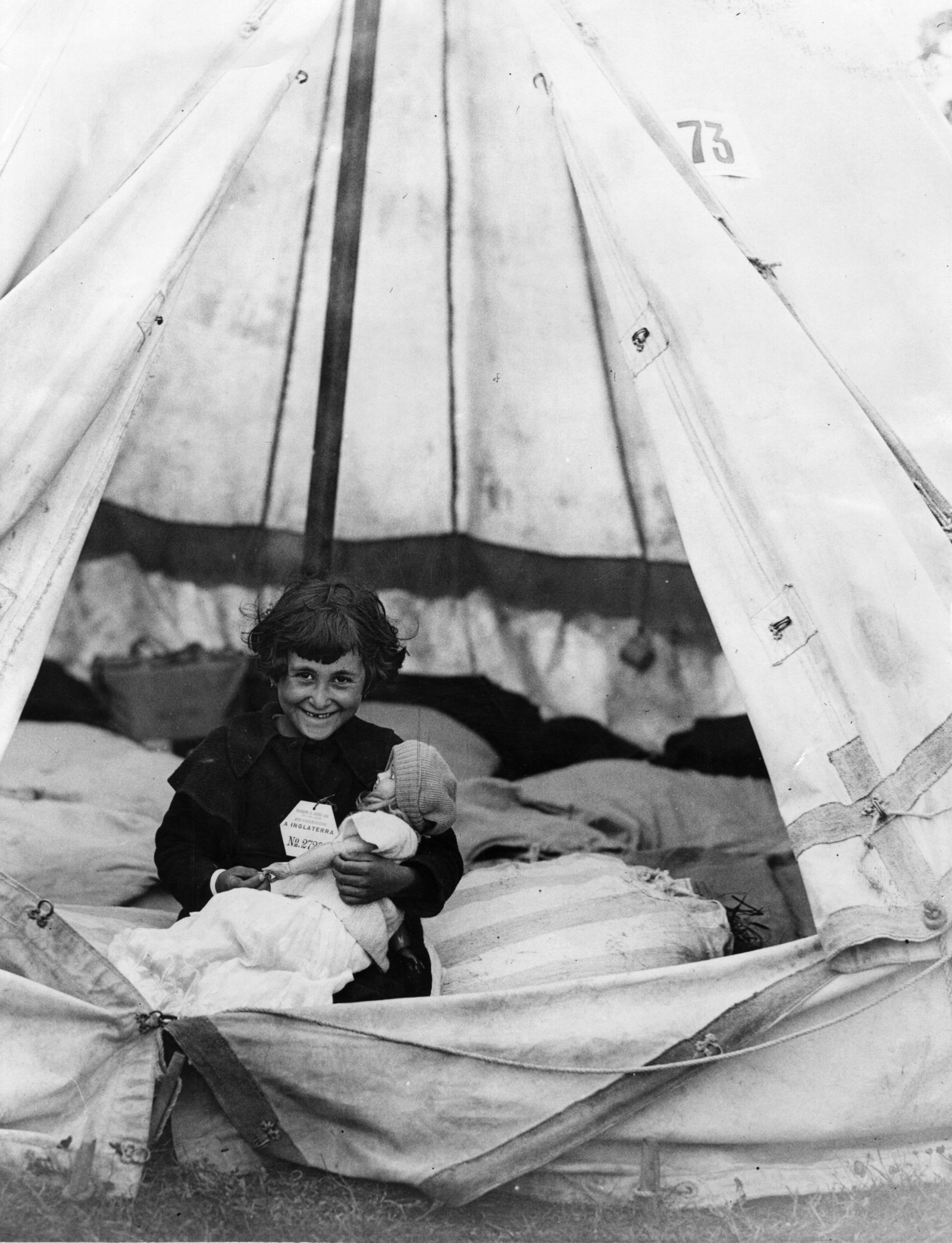

Uno de los 4000 niños que huyeron de Bilbao durante la Guerra Civil, en un campo de refugiados cercano a Southampton.
E. Phillips / Getty Images
Uno de los 4000 niños que huyeron de Bilbao durante la Guerra Civil, en un campo de refugiados cercano a Southampton.

7.
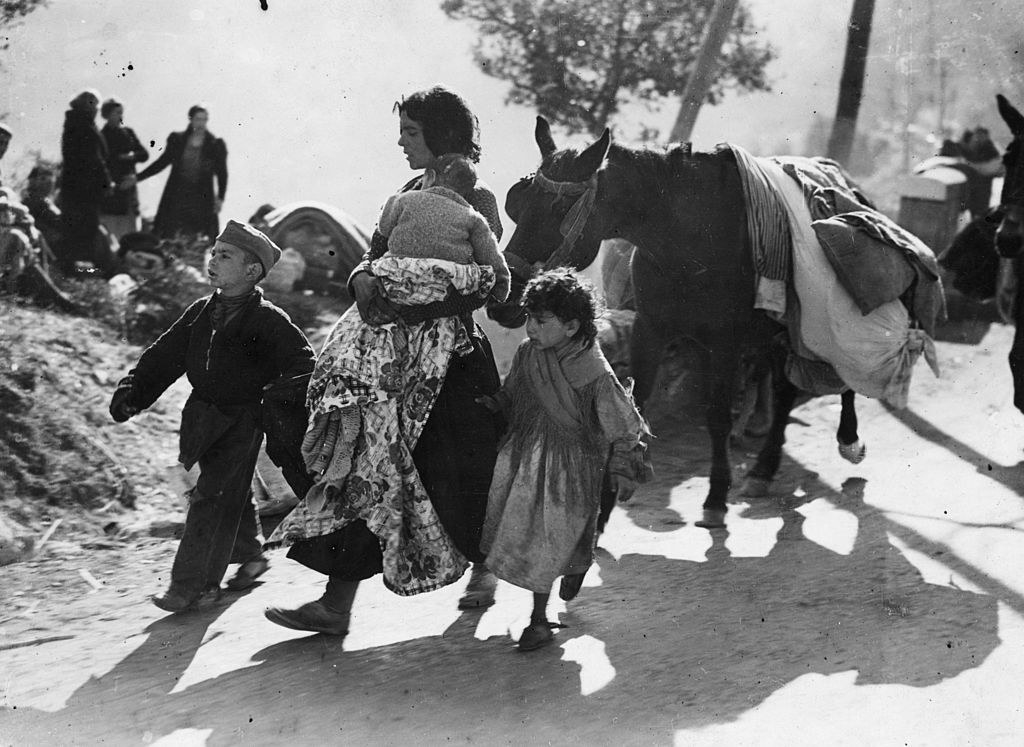

Refugiados españoles durante la Guerra Civil.
Keystone / Getty Images
Refugiados españoles durante la Guerra Civil.

8.
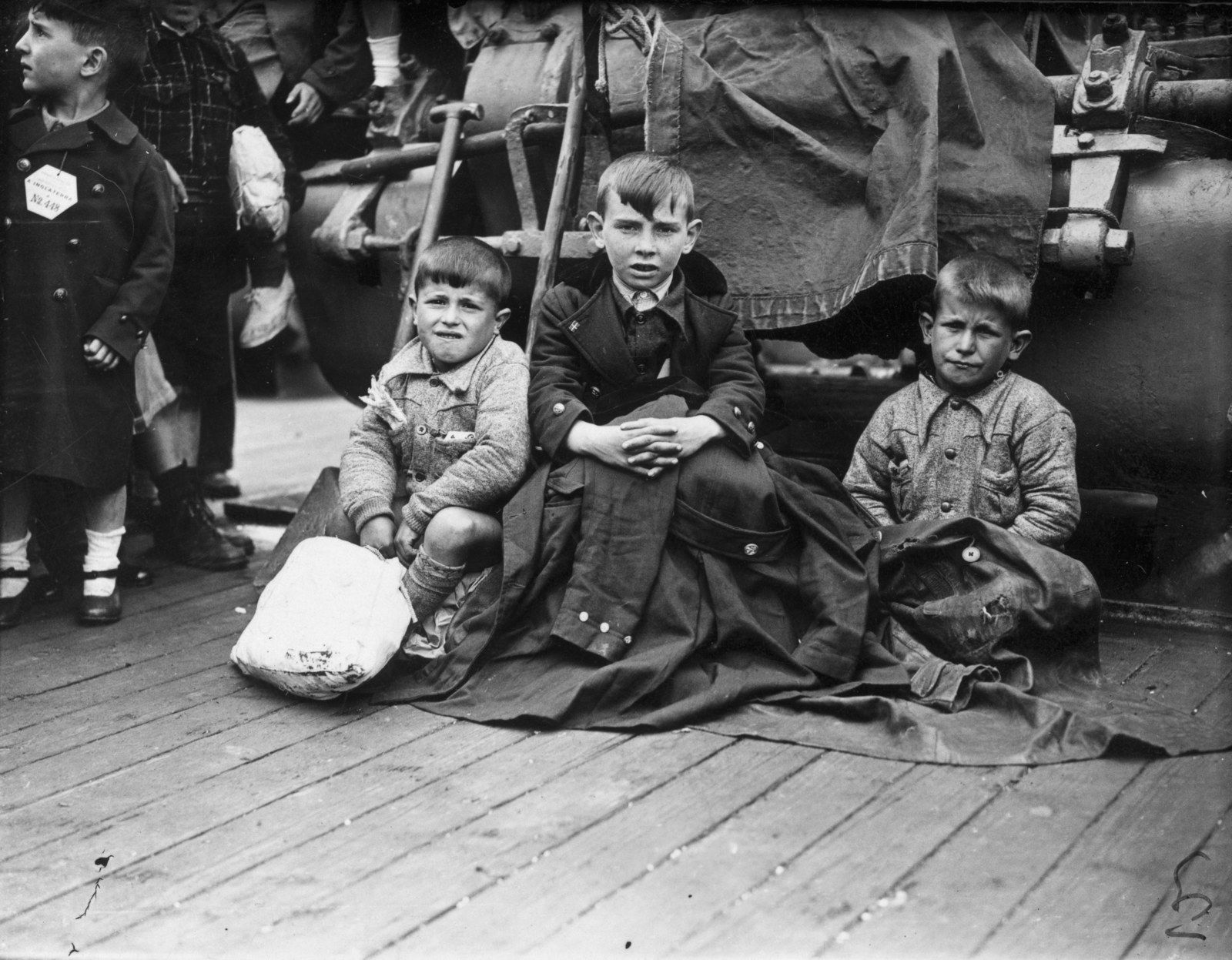

Tres huérfanos de Bilbao llegan a Southampton, junto a otros 4000 niños, en el Habana el 23 de mayo de 1937.
E. Dean / Getty Images
Tres huérfanos de Bilbao llegan a Southampton, junto a otros 4000 niños, en el Habana el 23 de mayo de 1937.

9.
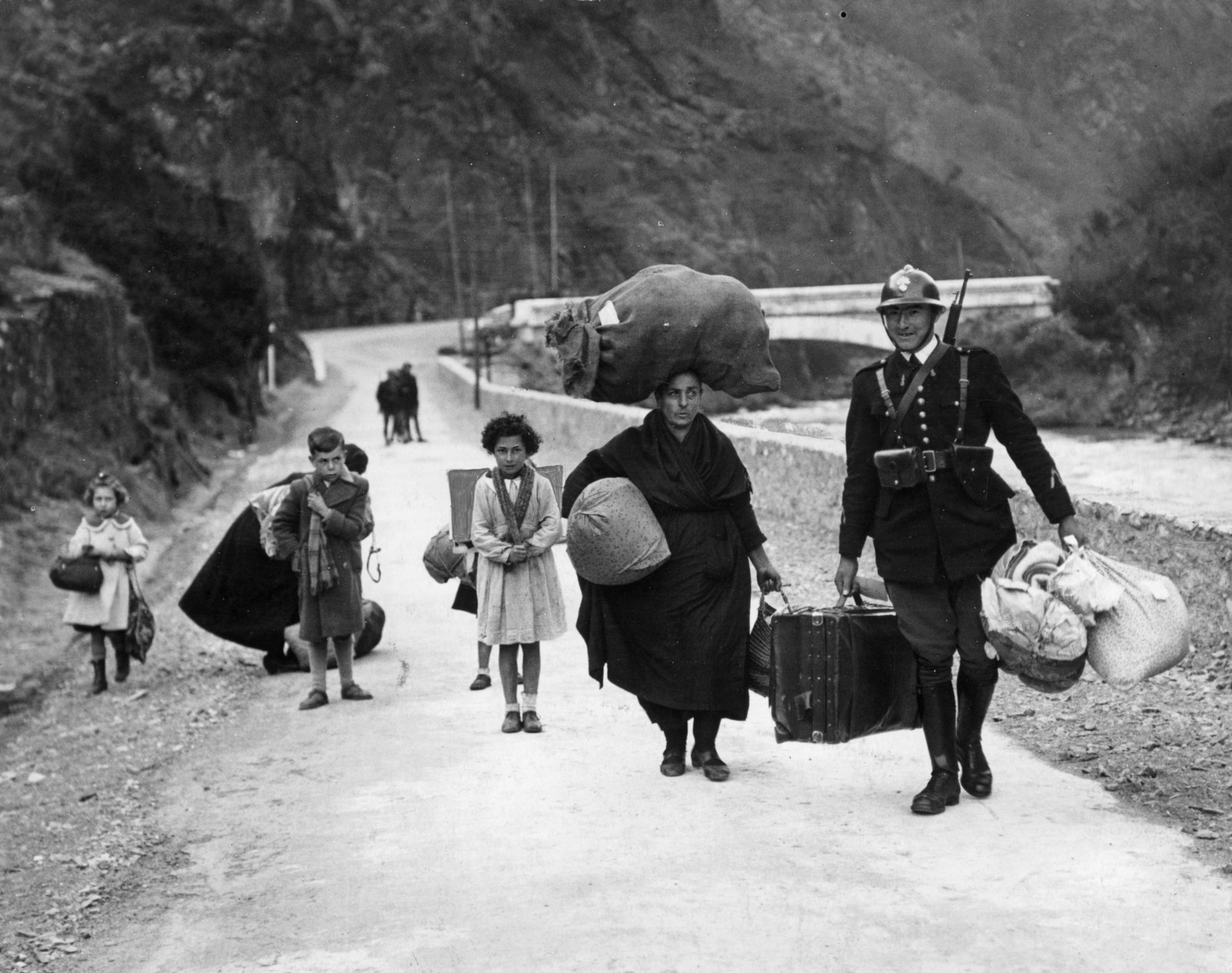

Un soldado francés ayuda a una familia de refugiados a cruzar la frontera en 1938.
Keystone / Getty Images
Un soldado francés ayuda a una familia de refugiados a cruzar la frontera en 1938.

10.
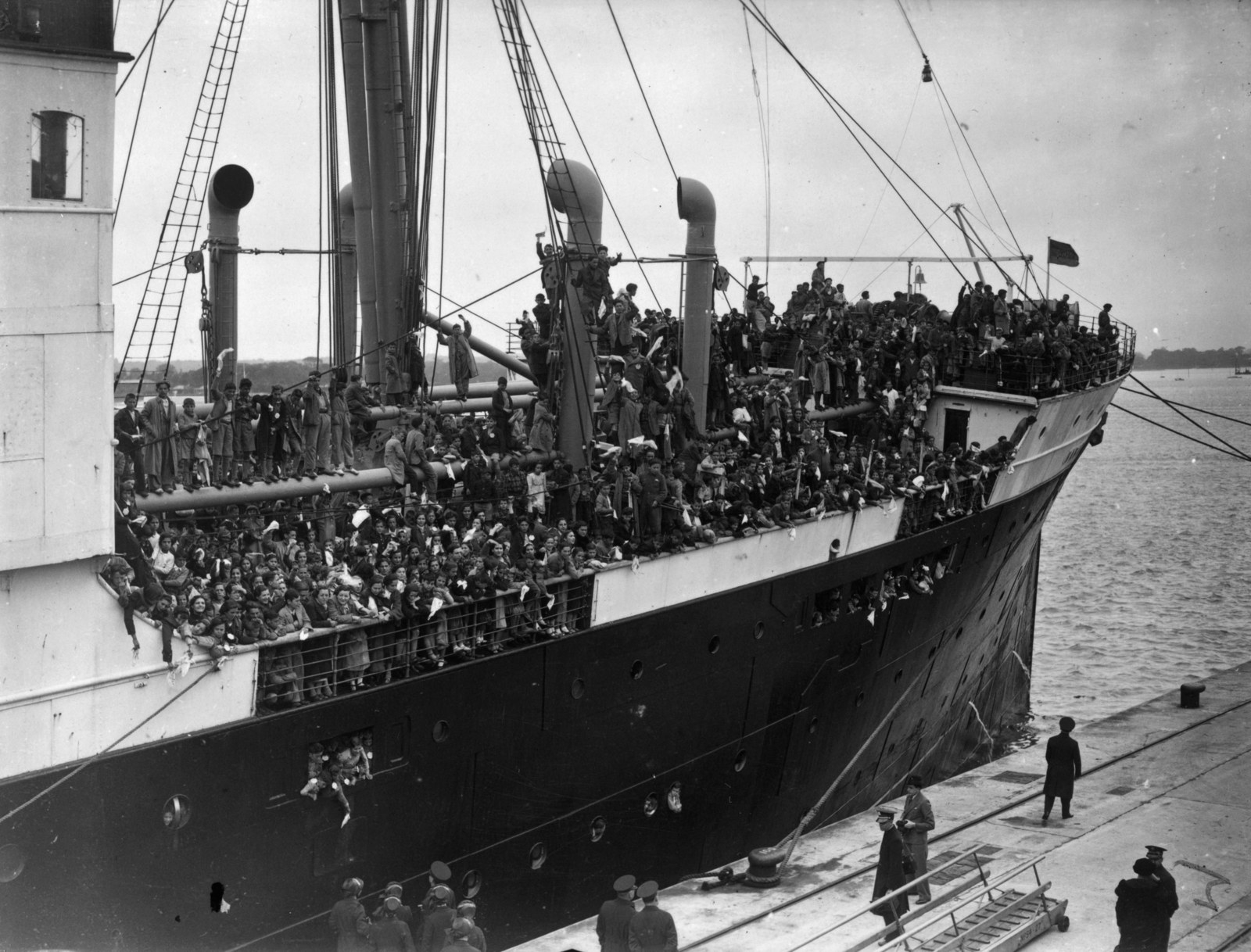

4200 niños españoles llegan a Southampton en el Habana.
E. Dean / Getty Images
4200 niños españoles llegan a Southampton en el Habana.

11.
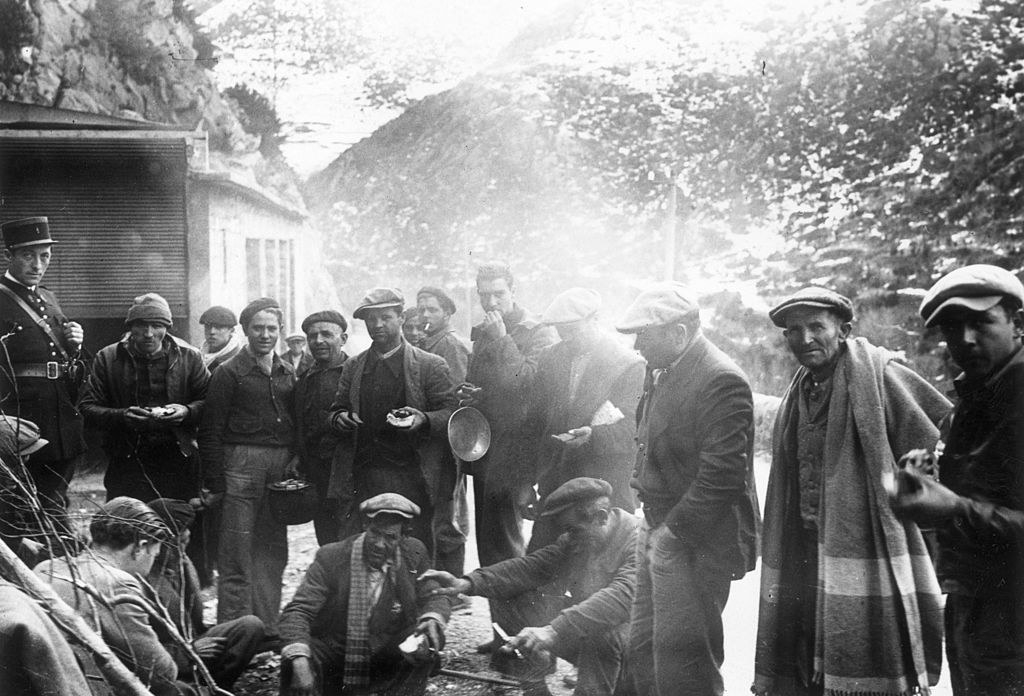

Refugiados españoles en la frontera francesa.
Hulton Archive / Getty Images
Refugiados españoles en la frontera francesa.

12.
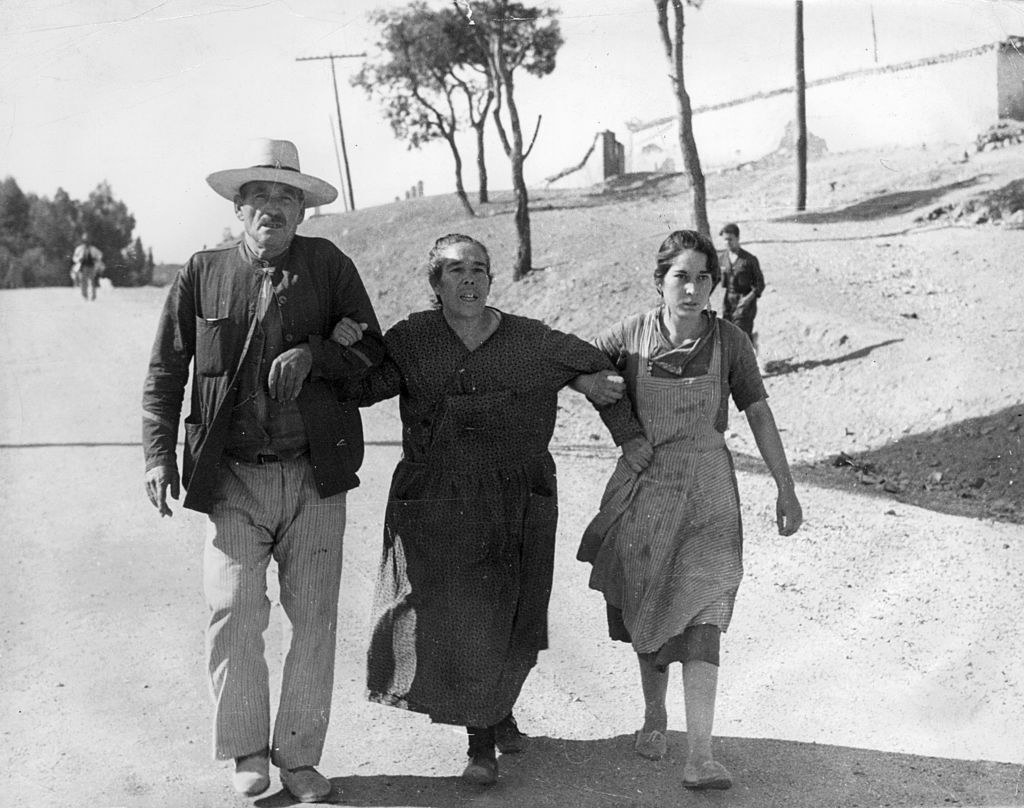

Un grupo de refugiados se preparar para cruzar la frontera con Francia en 1939.
Evans / Getty Images
Un grupo de refugiados se preparar para cruzar la frontera con Francia en 1939.

13.
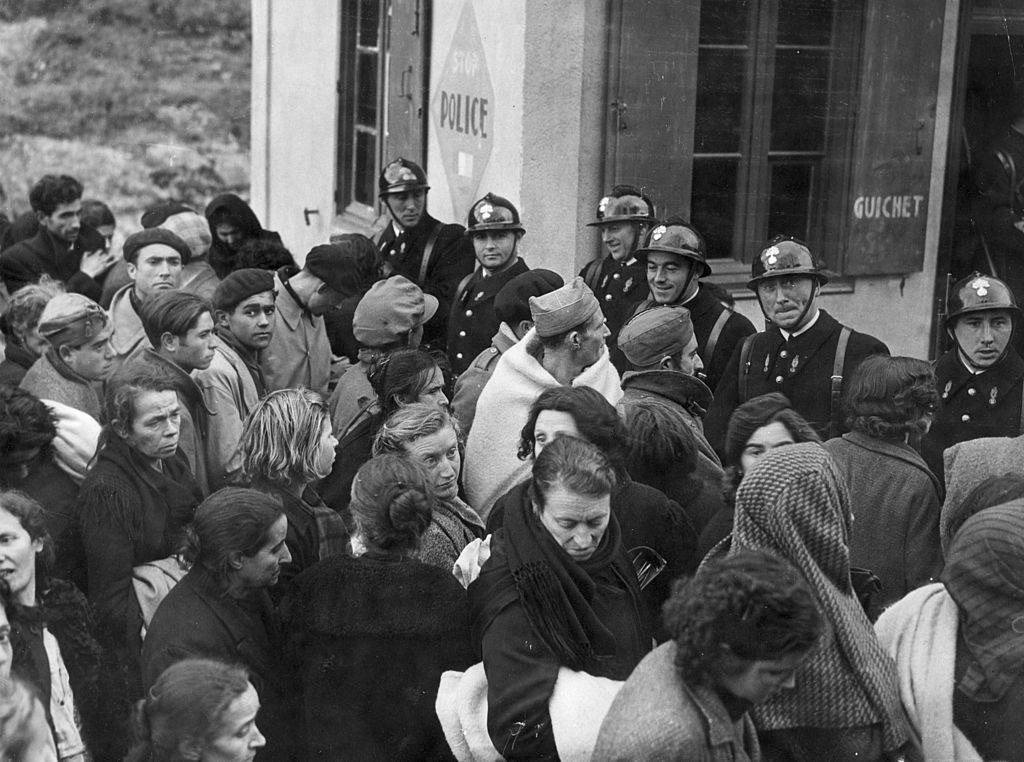

Varios refugiados esperan para cruzar la frontera francesa el 29 de enero de 1939.
Fox Photos / Getty Images
Varios refugiados esperan para cruzar la frontera francesa el 29 de enero de 1939.

14.
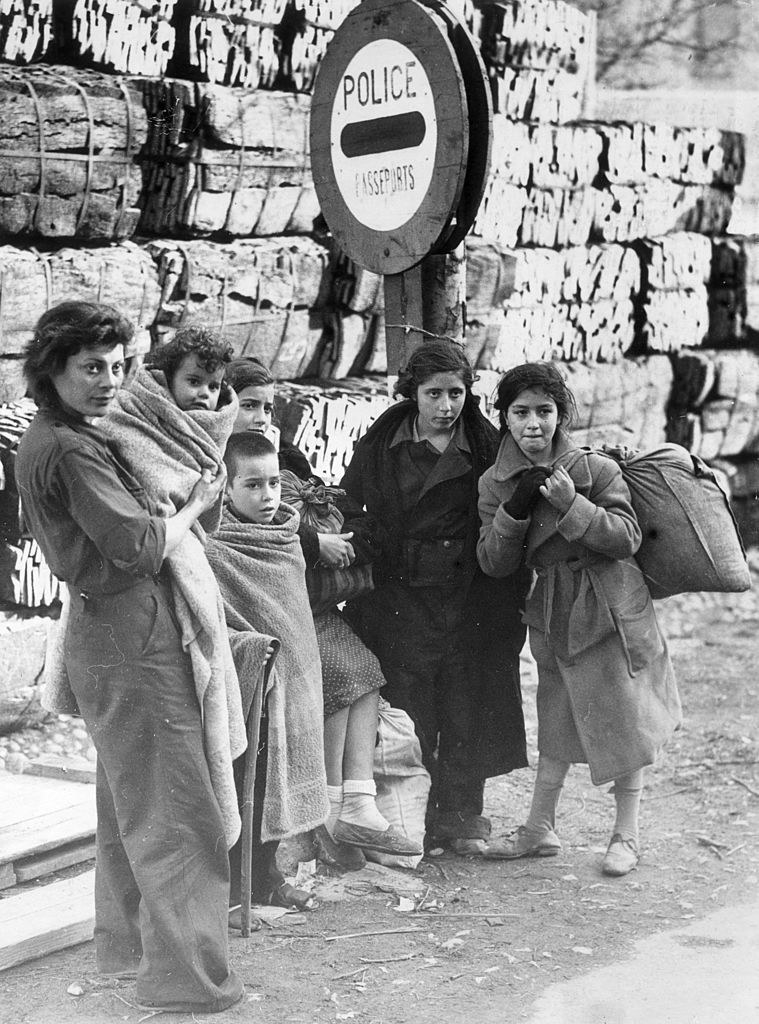

Una familia de refugiados españoles espera en la frontera entre Francia y España el 29 de marzo de 1939.
Fox Photos / Getty Images
Una familia de refugiados españoles espera en la frontera entre Francia y España el 29 de marzo de 1939.

15.
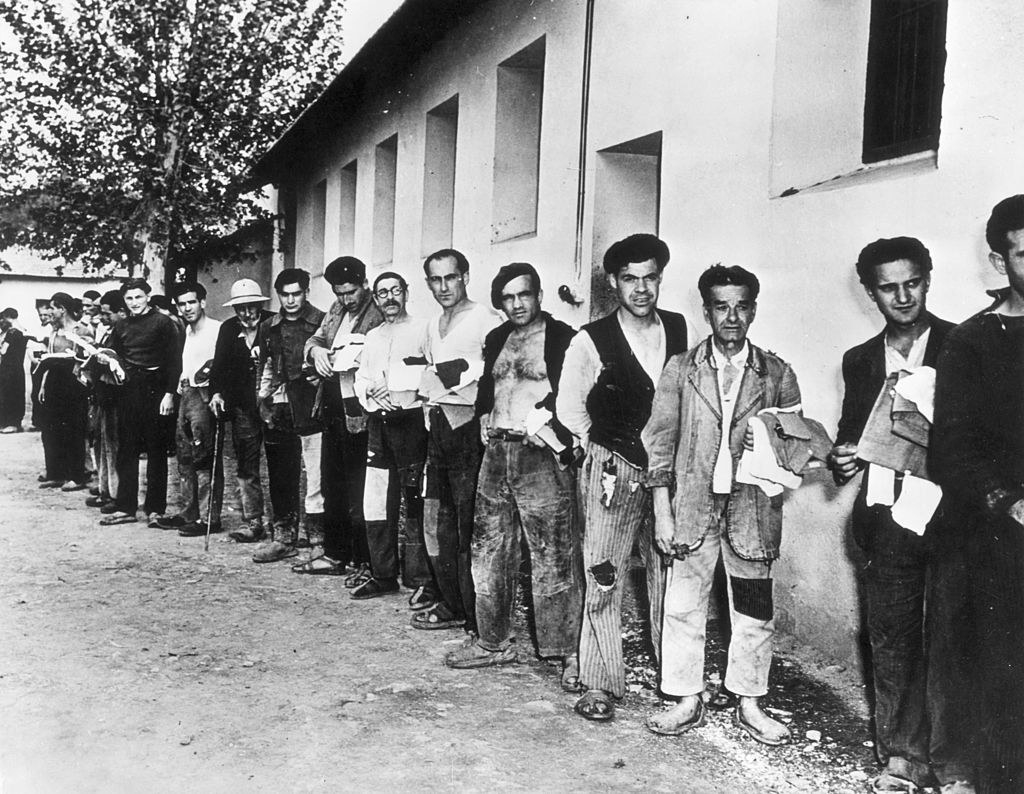

Refugiados españoles en el norte de África forman una fila para recibir zapatos nuevos (1939).
Keystone / Getty Images
Refugiados españoles en el norte de África forman una fila para recibir zapatos nuevos (1939).

16.
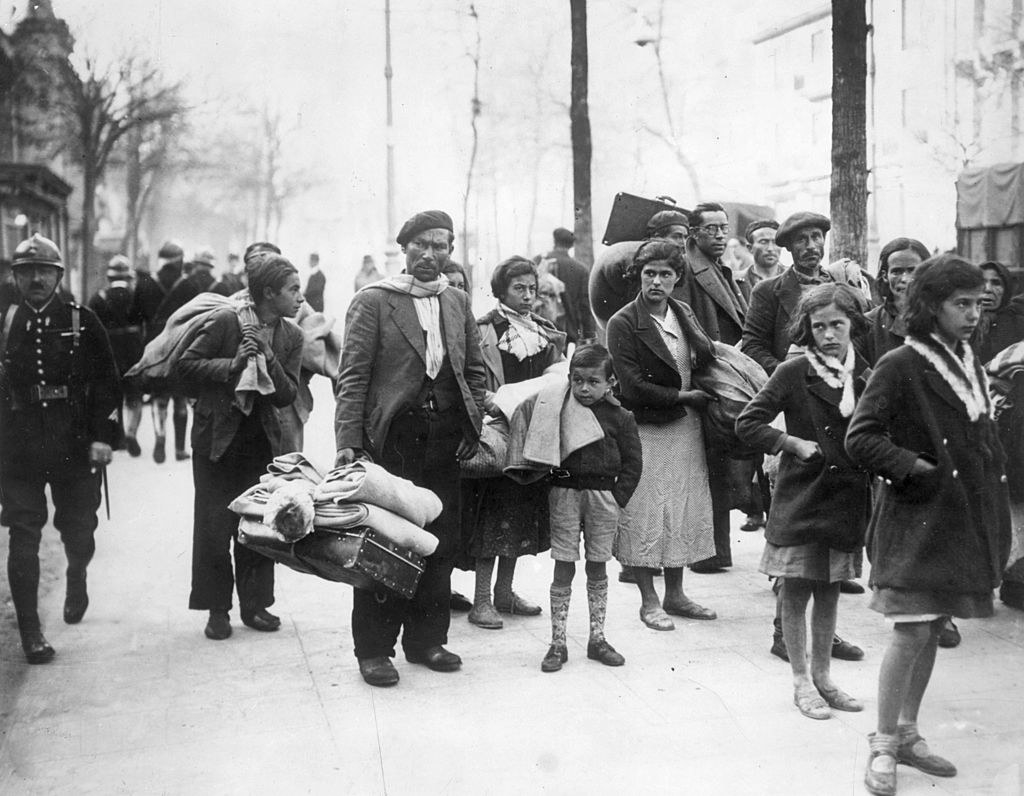

Refugiados españoles en Francia el 8 de abril de 1938.
Keystone / Getty Images
Refugiados españoles en Francia el 8 de abril de 1938.

17.
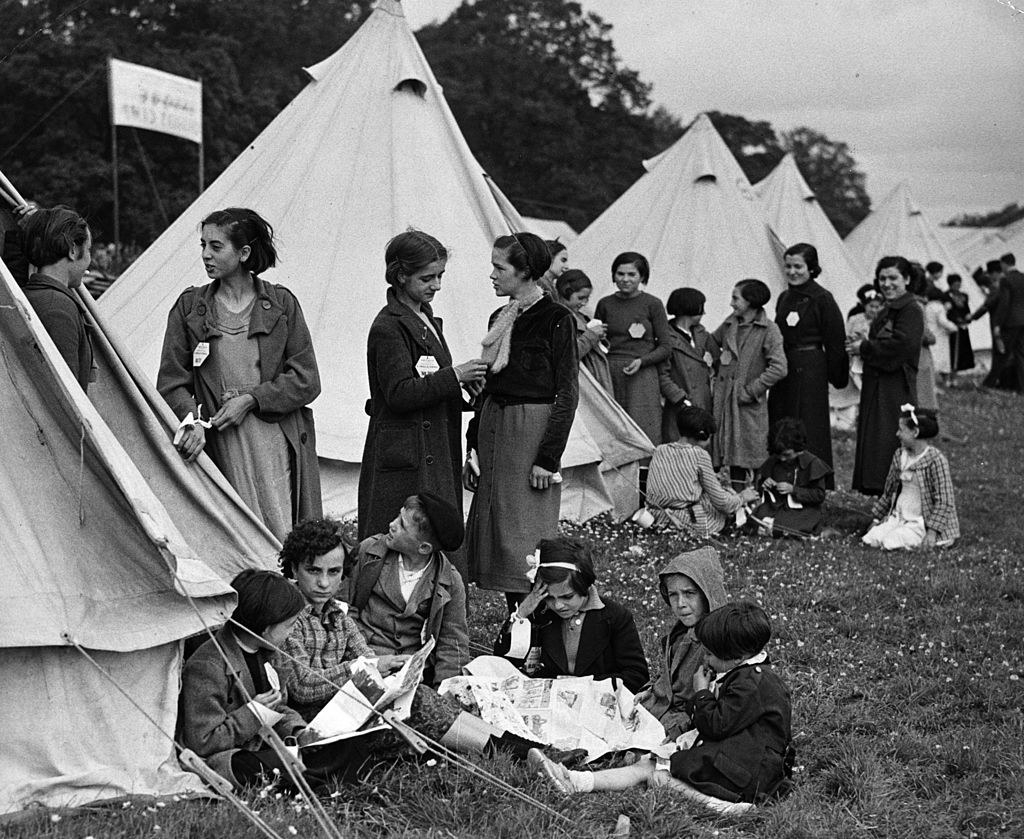

Nuevos refugiados, aún con sus identificaciones, en un campo para refugiados de la Guerra Civil española.
Keystone / Getty Images
Nuevos refugiados, aún con sus identificaciones, en un campo para refugiados de la Guerra Civil española.

18.


Refugiados españoles atraviesan la montaña de camino a la ciudad fronteriza de Luchon el 4 de abril de 1938.
Keystone / Getty Images
Refugiados españoles atraviesan la montaña de camino a la ciudad fronteriza de Luchon el 4 de abril de 1938.

19.
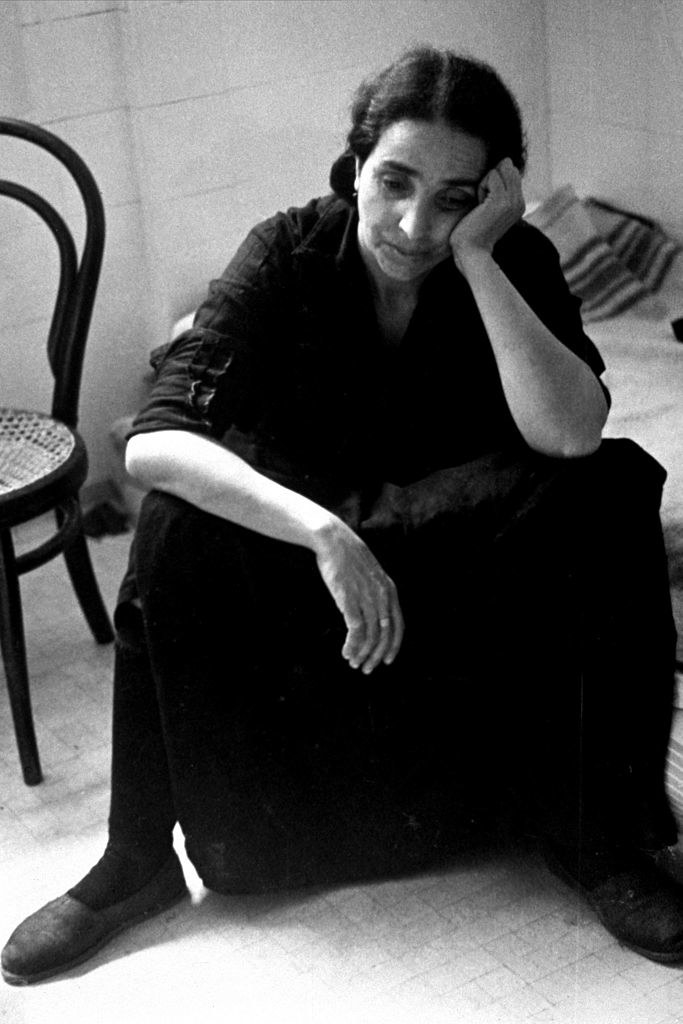

Una mujer exiliada tras el levantamiento fascista en España.
Keystone / Getty Images
Una mujer exiliada tras el levantamiento fascista en España.

20.
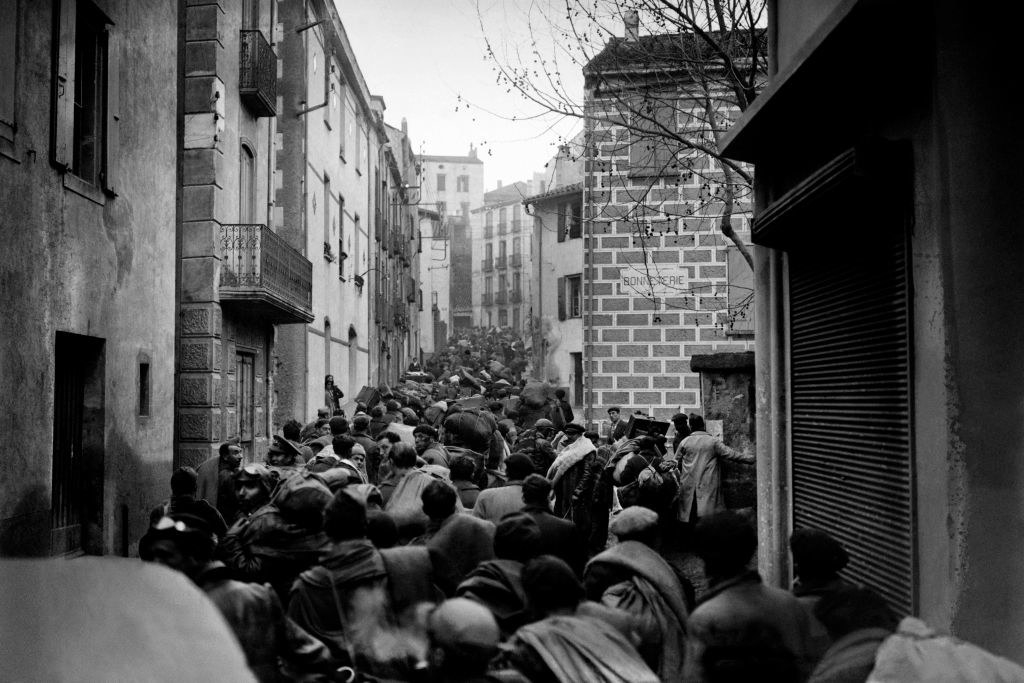

Refugiados españoles llenan las calles de Banylus en febrero de 1936.
- / AFP / Getty Images
Refugiados españoles llenan las calles de Banylus en febrero de 1936.

21.
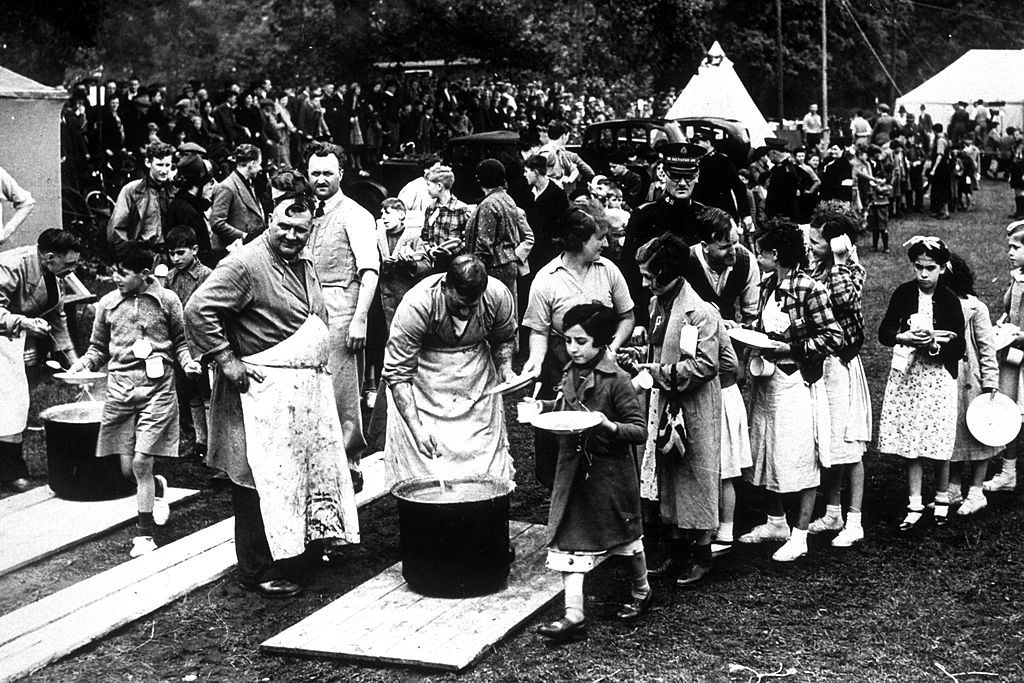

Niños españoles reciben su primera comida en un campo de refugiados cercano a Southampton el 25 de marzo de 1937.
Keystone / Getty Images
Niños españoles reciben su primera comida en un campo de refugiados cercano a Southampton el 25 de marzo de 1937.

22.
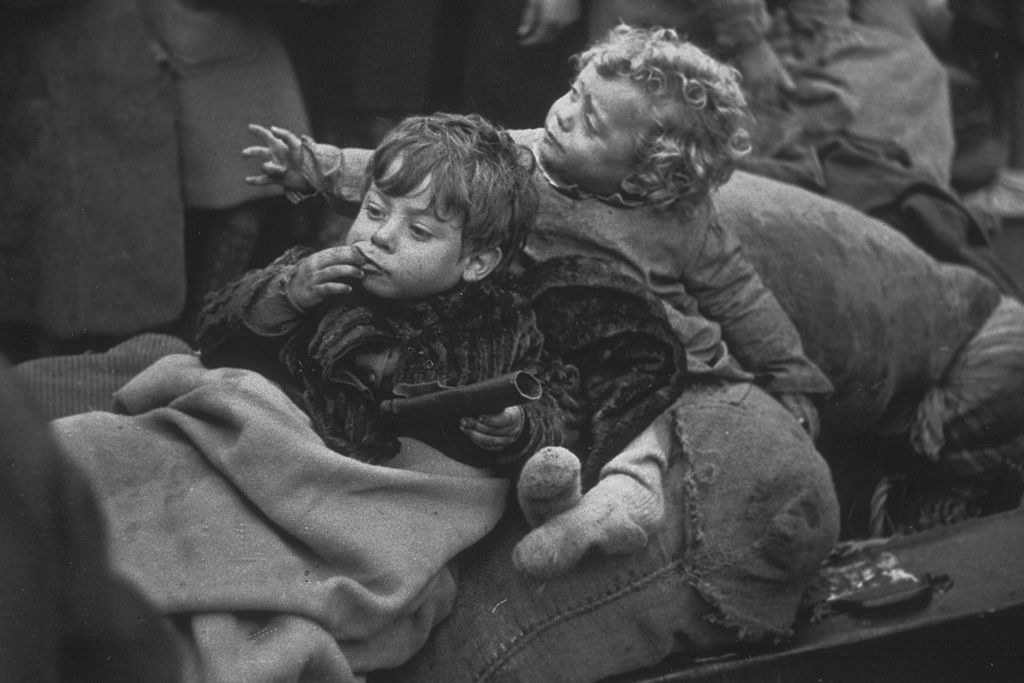

Dos niños refugiados españoles, en la frontera francesa en los Pirineos.
London Express / Getty Images
Dos niños refugiados españoles, en la frontera francesa en los Pirineos.

23.
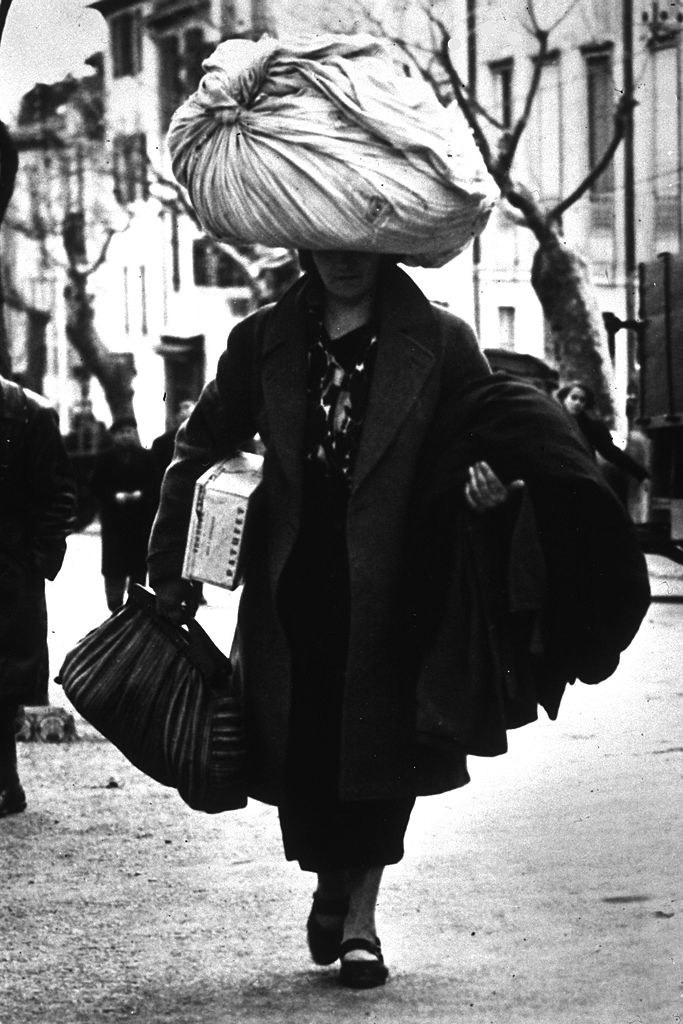

Una refugiada española llega a Francia con sus pertenencias.
Topical Press Agency / Getty Images
Una refugiada española llega a Francia con sus pertenencias.

24.
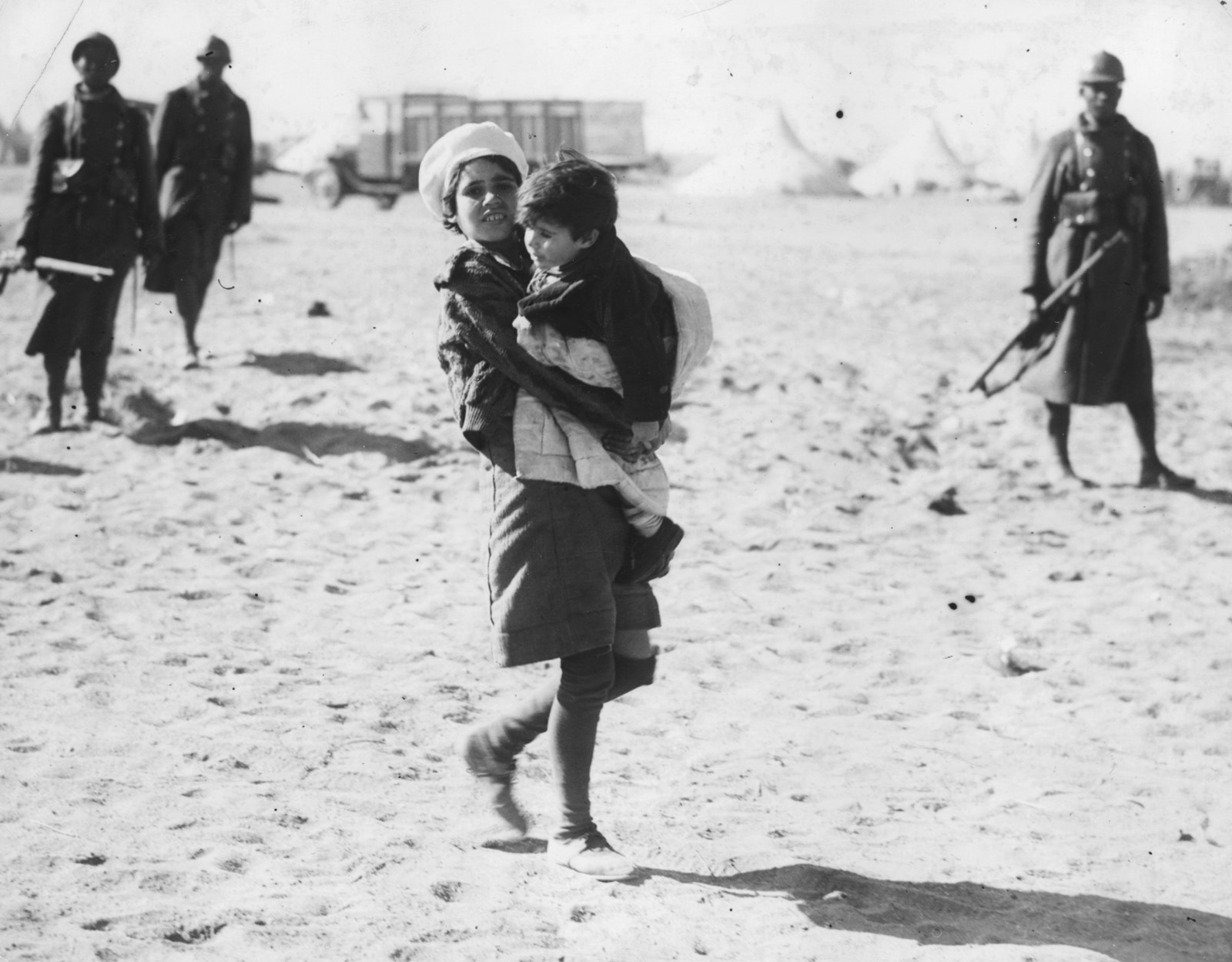

Una niña lleva a su hermano en la frontera con Francia. Llegó caminando desde Figueres y sería enviada a un campo de refugiados con otros compatriotas.
Keystone / Getty Images
Una niña lleva a su hermano en la frontera con Francia. Llegó caminando desde Figueres y sería enviada a un campo de refugiados con otros compatriotas.

25.
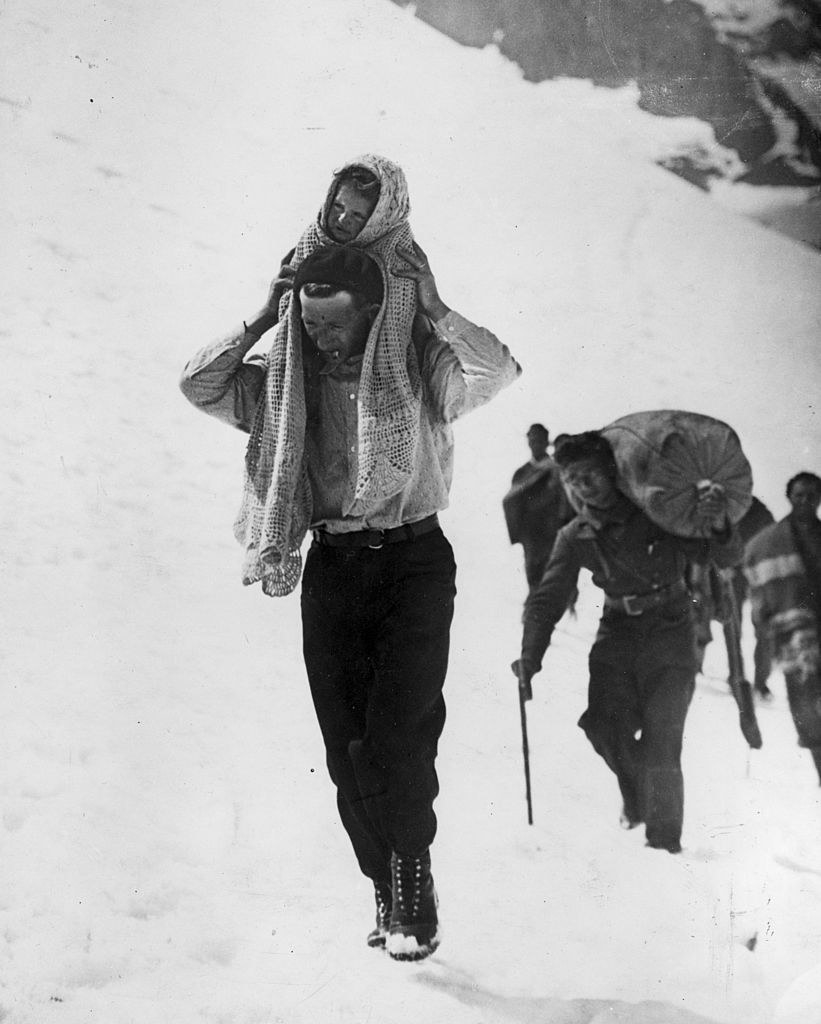

Refugiados españoles caminan por una montaña en 1936.
Keystone / Getty Images
Refugiados españoles caminan por una montaña en 1936.

26.
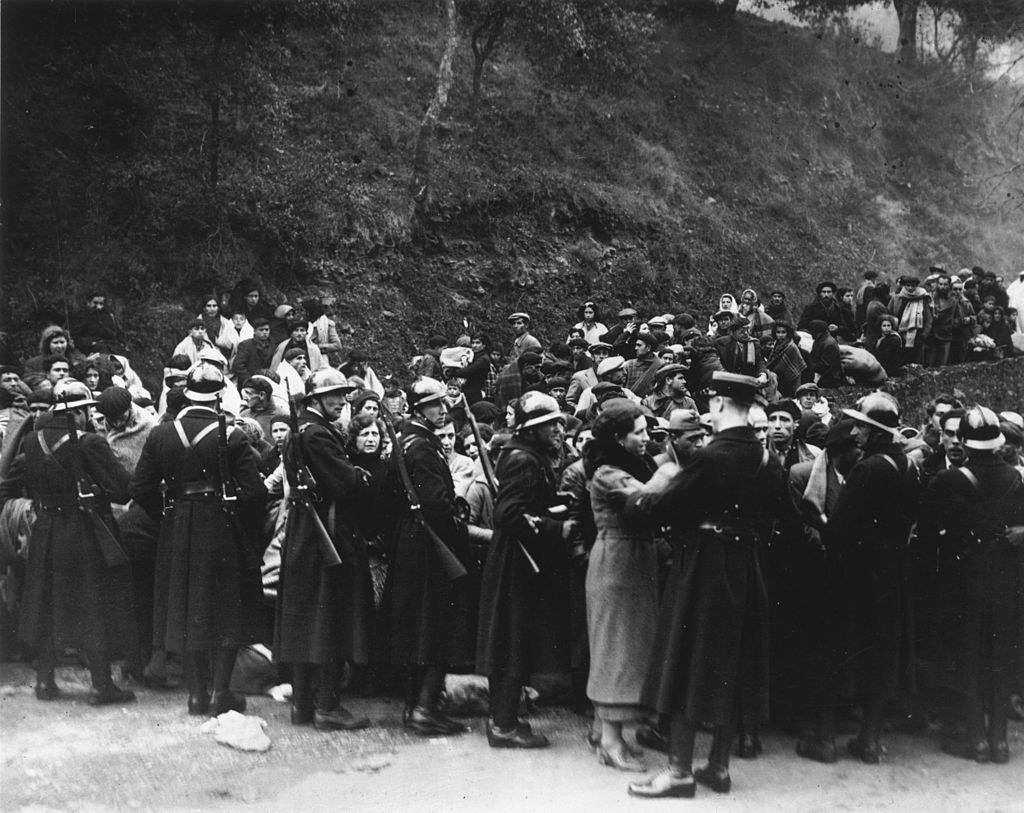

Gendarmes franceses evitan la entrada de refugiados españoles en 1936.
Keystone / Getty Images
Gendarmes franceses evitan la entrada de refugiados españoles en 1936.

27.
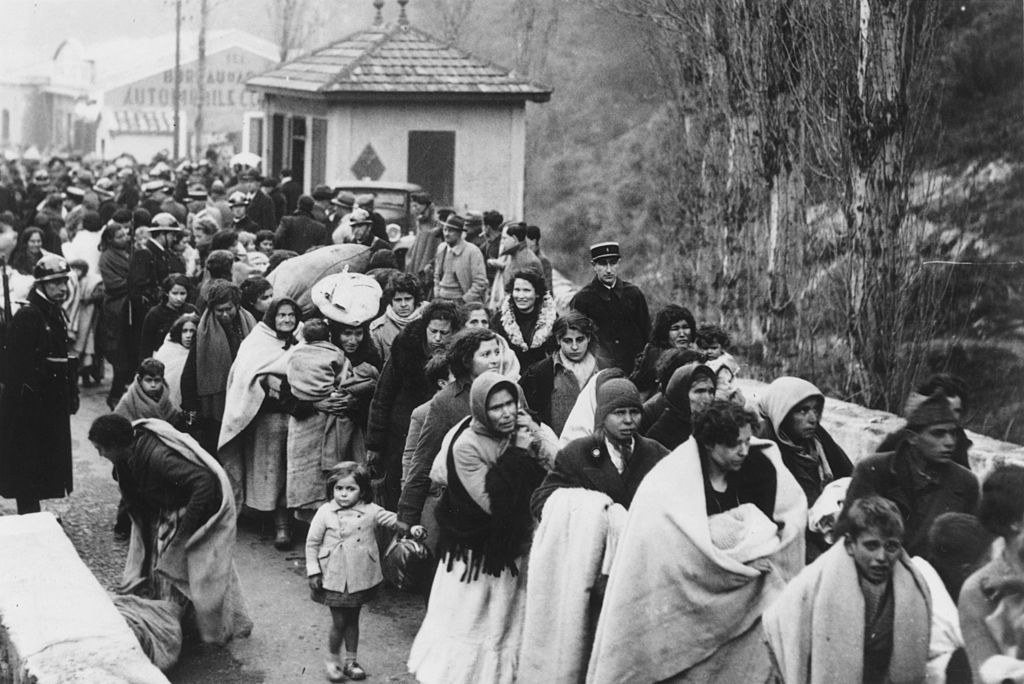

Mujeres y niños españoles cruzan la frontera francesa en El Pertús.
Three Lions / Getty Images
Mujeres y niños españoles cruzan la frontera francesa en El Pertús.

28.
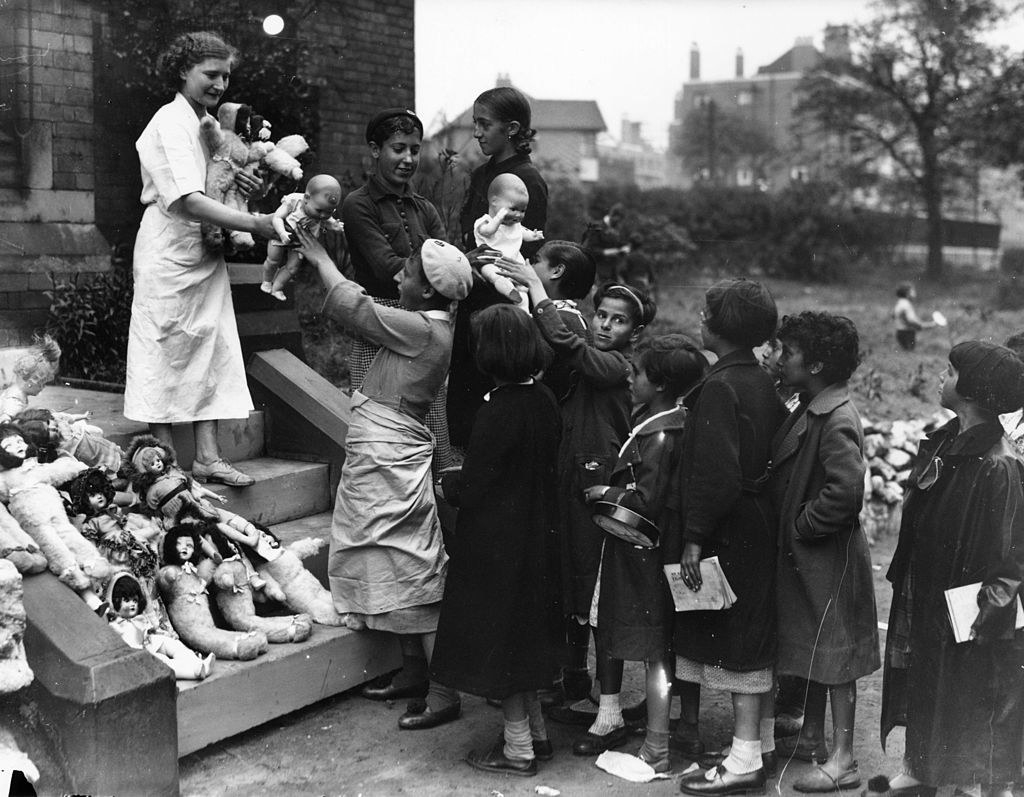

Refugiados vascos reciben juguetes en Watermillock, Bolton, donde están refugiados, el 26 de junio de 1937.
Fox Photos / Getty Images
Refugiados vascos reciben juguetes en Watermillock, Bolton, donde están refugiados, el 26 de junio de 1937.

29.
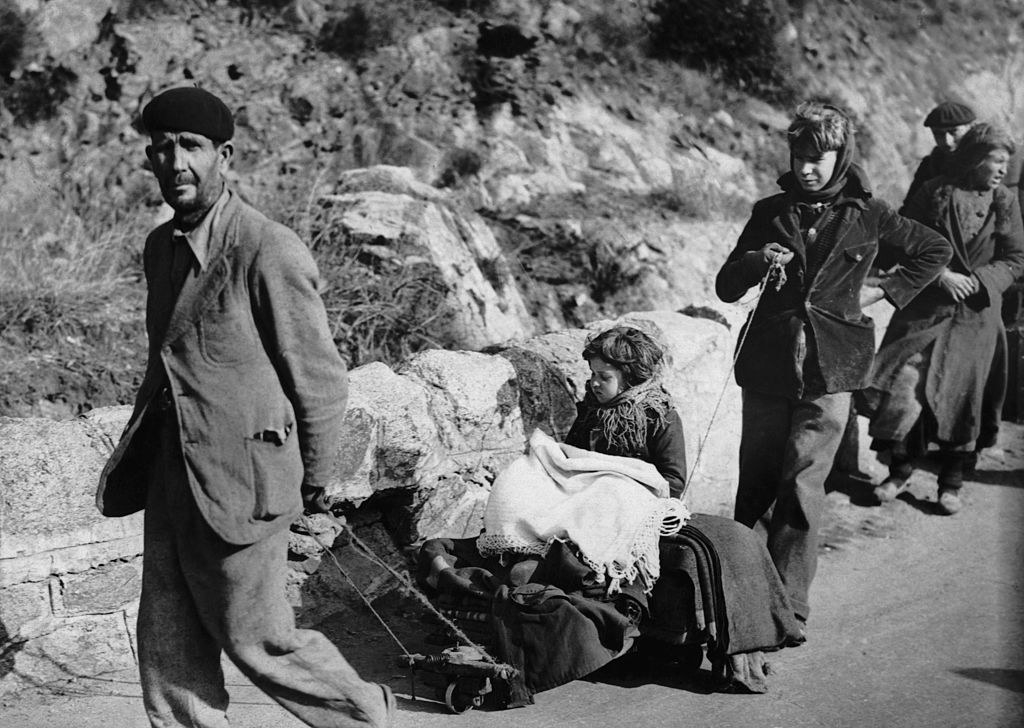

Una familia de refugiados huye a Francia el 7 de febrero de 1939.
Fpg / Getty Images
Una familia de refugiados huye a Francia el 7 de febrero de 1939.

30.
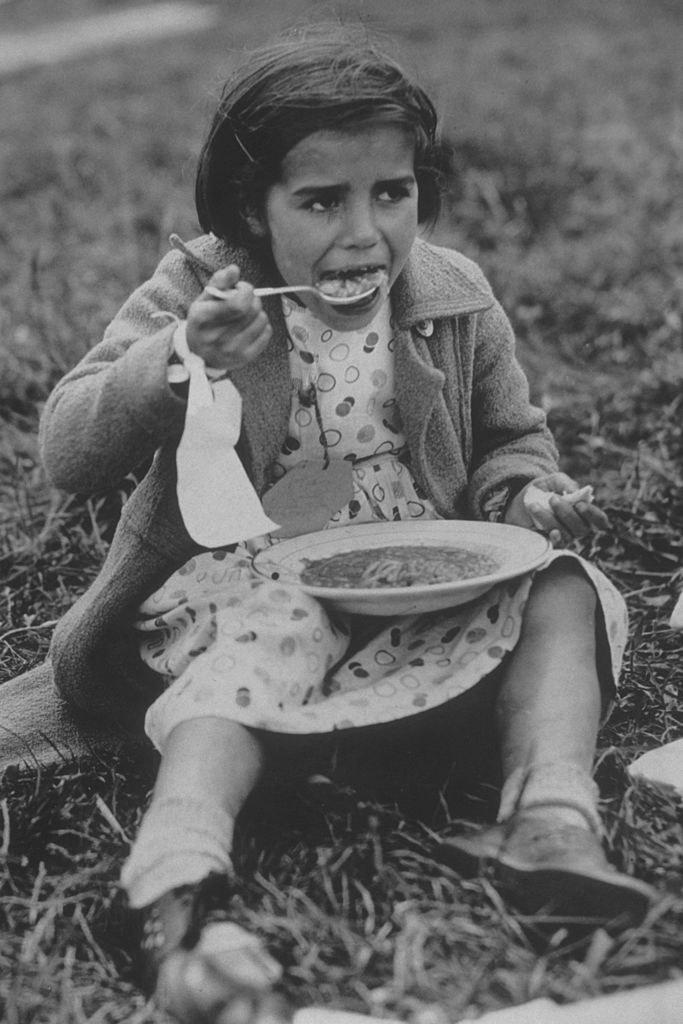

Una refugiada española, con su primera comida tras llegar a Inglaterra (1938).
Fox Photos / Getty Images
Una refugiada española, con su primera comida tras llegar a Inglaterra (1938).

31.
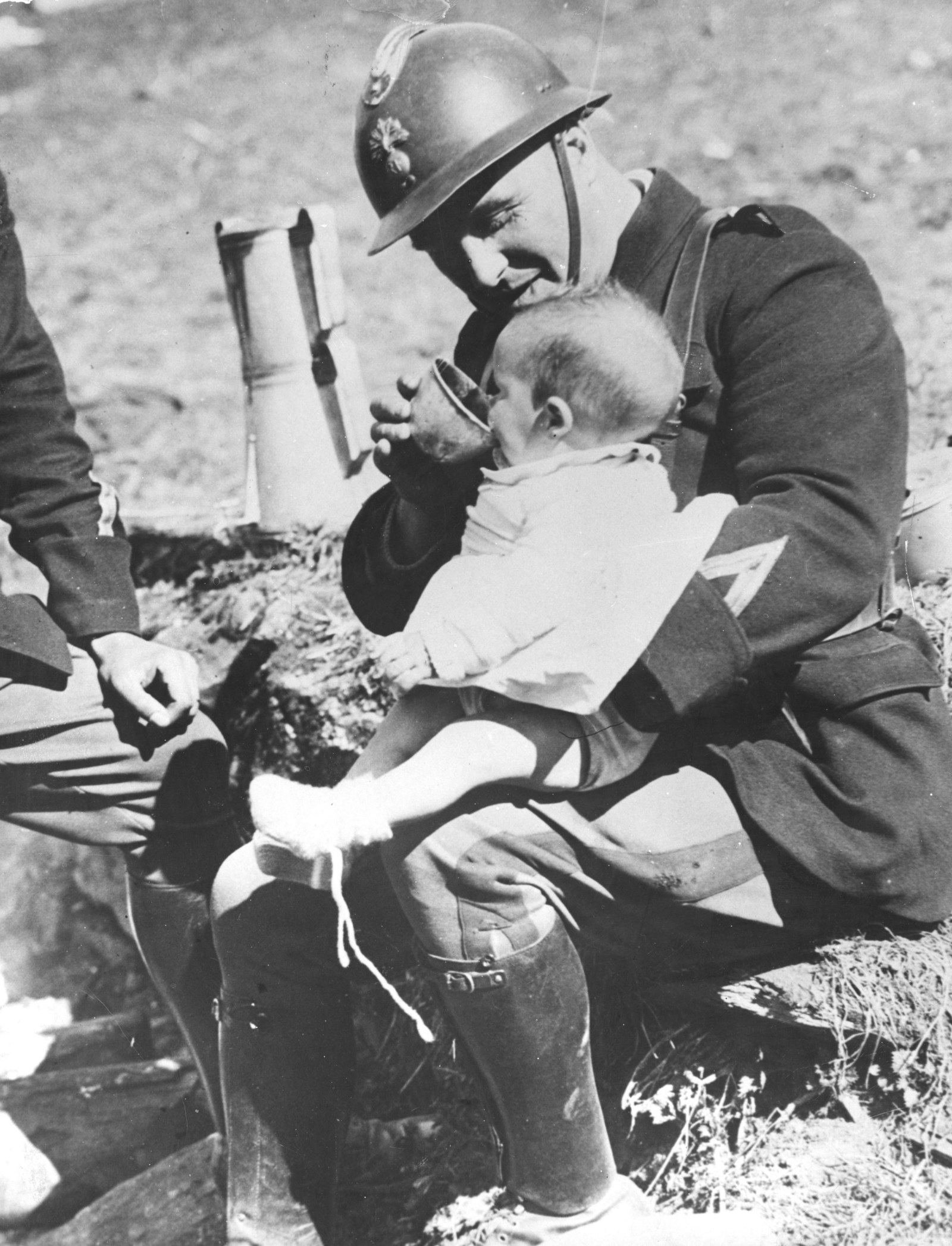

Un soldado francés de las tropas fronterizas alimenta a un bebé refugiado que acaba de cruzar la frontera el 3 de abril de 1938.
Keystone / Getty Images
Un soldado francés de las tropas fronterizas alimenta a un bebé refugiado que acaba de cruzar la frontera el 3 de abril de 1938.

The Spiritual Photographs Khadija Saye Left Behind

Khadija Saye, “Limon” (2017) from Dwelling: in this space we breathe at the Diaspora Pavilion at the Venice Biennale, wet plate collodion tintypes, 25 x 20 cm (all photos by Riccardo Barluzzi)
In the final series of photographs she made before her tragic death, Khadija Saye turned the camera towards herself. Most of the wet plate collodion tintypes are portraits of the artist looking away, or with her eyes closed, or with her back to the viewer. She holds sacred objects, each used by spiritual healers in Gambia. In one, an amulet is strung over her closed eyes, her head slightly upturned, skyward, as though she is transcendent, or hoping to transcend. It is difficult to imagine the images except as prescient. At their very core they seem to possess the knowledge of looming absence.
From Khadija Saye’s Dwelling: in this space we breatheseries (2017), wet plate collodion tintypes, 25 x 20 cm
Saye’s death in a London apartment building fire was due to corporate and political malfeasance. The cladding used when the Grenfell Tower was refurbished was the cheaper, more flammable option. In a conscientious world, her death and those of at least 78 others, including her mother, could have been averted. Instead, the sudden horror of her death has cast a shadow over her work and life, short as it was. But to dwell on threnody is to do her a disservice. She aspired to something higher. On her website, she describes Dwelling: in this space we breathe, her final body of work on view at the Diaspora Pavilion of this year’s Venice Biennale, as an attempt to explore a “deep rooted urge to find solace within a higher power.”
The only time I met Khadija Saye, I first watched her weep in response to one of the installations at the Nigeria Pavilion, Peju Alatise’s “Flying Girls.” She had visited a few hours before the official opening, in the company of an older British artist, Barbara Walker. I recall the hush with which my colleagues pointed out that a woman was weeping. I stepped closer to watch, and felt grateful. For a show we toiled to organize (I was associate curator), Khadija Saye’s visceral acknowledgement was a kind of endorsement. Later, when we were introduced and she gave me her complimentary card, I regarded the geniality of her presence. Days afterward, I visited the Diaspora Pavilion in search of her portraits.
From Khadija Saye’s Dwelling: in this space we breathe series (2017), wet plate collodion tintypes, 25 x 20 cm
Dwelling is preceded by Home. Coming, photographs taken when Saye returned to Gambia, where her family is from. The images — a mix of portraits, street scenes, and seascape — lay the conceptual foundation for her final body of work. Before turning to herself and a search for spiritual grounding, she began with the idea of home as indicative of passing time: stoic-looking older men, a similarly posed woman, the tombstone of a certain “Ellen Davies,” dogs sleeping beside mounds of red earth, a weathered, ruined wall. One image particularly relays the next turn in her work: a middle-aged man rests slightly on the hood of a Volkswagen, possibly a taxi, with a Banjul plate number. The outline of a body is noticeable at the edge of the frame, likely the photographer’s, looking and equally being seen.
Khadija Saye, “Sothiou” (2017) from Dwelling: in this space we breathe, wet plate collodion tintypes, 25 x 20 cm
For Saye, according to her artist’s statement on Dwelling in the Pavilion catalogue, “it was necessary to physically explore how trauma is embodied in the black experience.” How black people experience and respond to trauma is varied. Saye’s photographs, if they attempt a collective response, approximate, at best, the struggles of many. Yet they succeed because of her well-considered approach to private despair. It is despair presented with the quietude of prayer, as though she relinquishes, now and again, the need for any worry.
Khadija Saye, “Nak Bejjen” (2017) from Dwelling: in this space we breathe, wet plate collodion tintypes, 25 x 20 cm
Why did Saye choose tintypes? At the outset of her career, each of her series attempted its own formal language. Collaborating with Almudena Romero, a Spanish-born London-based visual artist who works with a wide range of photographic processes, Saye seems to have perceived in tintypes a form suitable to expressing spiritual solace. “The journey of making wet plate collodion tintypes,” her artist statement notes, “is unique: no image can be replicated and the final outcome is beyond the creator’s control. Within this process, you surrender yourself to the unknown, similar to what is required by all spiritual higher powers: surrendering and sacrifice.” In the photographs she is surrounded by metallic mist, her body appearing in resolute calm and surrender. If tintypes date to the earliest decades of the medium, so does spirit photography. What Dwelling implies, then, is that photography can elucidate the revelatory. It can portray a space in which one exhales and is poised.
Self-portraits memorialize death in a way no other artistic medium can. Looking at the once-photographed dead, we know they were alive, at least for the fraction of a moment. Saye’s youth, and her urge to connect to Gambian spirituality, is preserved in these photographs. Perhaps forever, but readily as well. The continued exhibition of her work, long after her death, will be an insistence on her promise. Her promise petered out too soon, yet its charm remains.

lunes, 5 de junio de 2017

Fotomuseum Winterthur


Emile Barret, Headquarter for Egg-Plant (from the series E.F.F.E.), 2017. © Emile Barret.
Emile Barret, David Fathi, Sara-Lena Maierhofer, Myriam Ziehli
SITUATIONS/Fact
June 13–18, 2017

LISTE
Burgweg 15
4058
Basel
Switzerland

www.fotomuseum.ch
Facebook / Instagram / Twitter / #Foto_museum
Emile Barret, 1989 (FR)
David Fathi, 1985 (FR)
Sara-Lena Maierhofer, 1982 (DE)
Myriam Ziehli, 1989 (CH)
To investigate what photography is becoming, Fotomuseum launched its new format SITUATIONS—a dynamic program that responds to current developments within photographic culture and experiments with innovative interactions of physical and digital spaces. As a research lab, SITUATIONS examines photographic processes in a wide visual and cultural context, challenging our understanding of photography. Numbered consecutively, SITUATIONS are curated and presented as thematic clusters five times per year at Fotomuseum and beyond.
At LISTE, Fotomuseum expands its current cluster SITUATIONS/Fact from the museum walls. The show focuses on the ideas of truth and representation in the age of alternative facts, investigating photography’s crucial role as a medium whose indexical quality and visual accuracy have been closely linked to claims of objectivity and truth throughout its history. Moving from propaganda to photo forensics, from photo journalism to fake news, and from scientific evidence to censorship, the cluster will articulate different positions showing the complex role of the photographic image within this discourse.
Infiltrating the print workshop of the Warteck-Areal, this extension of SITUATIONS/Fact will see artist Emile Barret (*1989) with his collective MusicforEggplant creating a site-specific mixed media environment that addresses the notion of conspiracy theories. Inspired by the recent online #FreeTheEggplant reaction to instagram’s ban on the eggplant emoji searches, the artists will create myths, symbologies, rumours and alternative narratives around the newly acquired mystery of the eggplant image. Working from the tradition of the printing space—once the epicentre of propaganda and visual communication—the artist collective will transform the space through an intervention that will employ the photographic image in its widest forms—from prints on fabrics and sheets to wall projections.
Further presentations include spatial translations and extensions of artistic photo books by David Fathi (Anecdotal, 2015), Sara-Lena Maierhofer (Dear Clark, Study of a Con Man, 2011/2016) and Myriam Ziehli (La Montagne Dorée, 2012/2017). Investigative in nature and revolving around issues of conspiracies, make-believe, and truth, their works productively question photography’s ambivalent status between fact and fiction.
Kindly supported by Art Mentor Foundation Lucerne.

sábado, 29 de abril de 2017

Henri Cartier-Bresson : "La photographie c'est une chose purement intuitive, c'est un plaisir physique"


Henri Cartier-Bresson en 1999 à Venise
Henri Cartier-Bresson en 1999 à Venise• Crédits :  Marcello Mencarini / Leemage - AFP
Dans cet entretien réalisé en 1969, en Avignon, avec Véra Feyder, Henri Cartier-Bresson évoquait sa relation intuitive avec l'appareil. Il expliquait en quoi la photographie est une arme, détaillait sa démarche à propos de son projet en cours, un livre de photographies sur la France, et plus généralement la difficulté de faire une photo non anecdotique :
C'est extrêmement difficile en une photo de tout raconter. Il n'y a pas pile et face sur la même photo. C'est ce qu'on recherche. C'est que la photo rebondisse, aille plus loin que l’anecdote. Il faut traiter le sujet c'est très important, mais pas l’anecdote.
Sur le fait d'être photographe :
C'est une attitude dans la vie, une façon de vivre, de combattre. C'est une chose purement intuitive, c'est un plaisir physique.
A propos de son travail sur la France :
Sur son propre pays on n'en connait pas assez et on en connait trop en même temps. On est impliqué, j'adore faire ce travail. On peut tout peindre mais on ne peut pas tout photographier.
Il expliquait comment on pouvait reconnaître un bon photographe à sa manière de se déplacer autour de son sujet, mais aussi la difficulté de passer inaperçu avec un appareil photo :
Tout le temps on me prend pour un flic. [...] J'ai jamais pris de coup de poing dans la gueule mais j'ai pris des coups de crosse, c'est différent. Pour passer inaperçu il faut tirer le premier : vite, vite, vite ! Et avoir l'air suffisamment idiot.

martes, 11 de abril de 2017

Retrospectiva de Ahlam Shibli en el Macba


Me dice que va a fumarse un cigarro a la escalera de incendios y que en cinco minutos vuelve a estar conmigo. Pero pasa casi media hora hasta que la veo llegar abrazada a su 'dewar' transparente lleno de un té espumoso que asegura que viene de Taiwán. “Perdona, estoy reventada –se disculpa–. Ayer estuvimos trabajando hasta más tarde de la una, y esta mañana a primera hora llegaban los técnicos a colgar las fotos. No he dormido nada”. Ya me habían advertido que Ahlam Shibli tiene carácter y una desbordante necesidad de control. Quizá, por todo esto, es la gran apuesta del Macba esta temporada.
“¿Quieres un vaso?”, me pregunta, sacudiendo la infusión de importación hasta que salen burbujas. Si eres palestino sólo puedes hablar de una cosa. O eso pienso la gente. “Parece que no tengamos derecho a preocuparnos por nada que no sean las bombas de Gaza –se queja Ahlam–. Yo he tratado mucho el conflicto con Israel, en un rato lo verás. Pero para empezar quiero enseñarte otra cosa”. Mientras entramos en la primera sala me habla de las dificultades de ser homosexual en Palestina. Los gays, me explica, ahorran para pasar una noche al mes en Tel Aviv e ir a 'night clubs'. “Es el único sitio donde se sienten como en casa”, dice mientras me enseña la primera serie de retratos. Durante dos años, este otro conflicto ha sido su gran preocupación.
Se me vuelve a escapar, ahora para dar un par de órdenes a dos pobres operarios enfundados en monos negros que le están montando la exposición. “Después ya me los llevaré a tomar un vino”, me advierte, excusando su genio. Aprovecho la interrupción para recordaros que ésta es la primera retrospectiva que se le dedica. La han coproducido el Jeu de Paume de París y el Museu d’Art Contemporani de Porto. Y se llama 'La casa fantasmal'. “Porque todo es una reflexión sobre el concepto de hogar, familia y bandera en relación con el propio cuerpo”. La recupero, y me lleva a ver la segunda serie, dedicada a los orfanatos de Polonia.
Bien, tercera sala. “Esto es un cementerio palestino –me explica, delante de la primera imagen–. Lo que ves aquí, en primer término, son las tumbas de los mártires, todas en fila, siempre bien cuidadas. Por mas que pasen los años, siguen teniendo las flores frescas”. Me traduce una de las inscripciones: “su muerte fue su dote”, dice la lápida. “Para Israel, todos somos árabes –continua–. Sólo cuando alguien se autoinmola lo reconocen como palestino. Es como Jesús, que debía entregar la sangre a los apóstoles para que lo identificaran como Mesías”. Entiendo que aquí el concepto casa equivale a patria.
El material impacta: los carteles en homenaje a los que se sacrificaron por el país, los campos de refugiados de Nablus y los terrenos cedidos por Israel a los que se han pasado a su bando. Y todavía hay una última serie. Esta vez le toca recibir a Francia. “Resulta que para luchar contra Alemania Charles de Gaulle se valió del ejército de Algeria y de la mano de obra que traían de Indochina para fabricar armas –me alecciona–. Iban en contra de los nazis y la Solución Final pero no abandonaban sus privilegios coloniales”. Escura las últimas gotas de té, me sonríe y con esta última reivindicación da la conversación por acabada. “Adiós”.